
Our Center
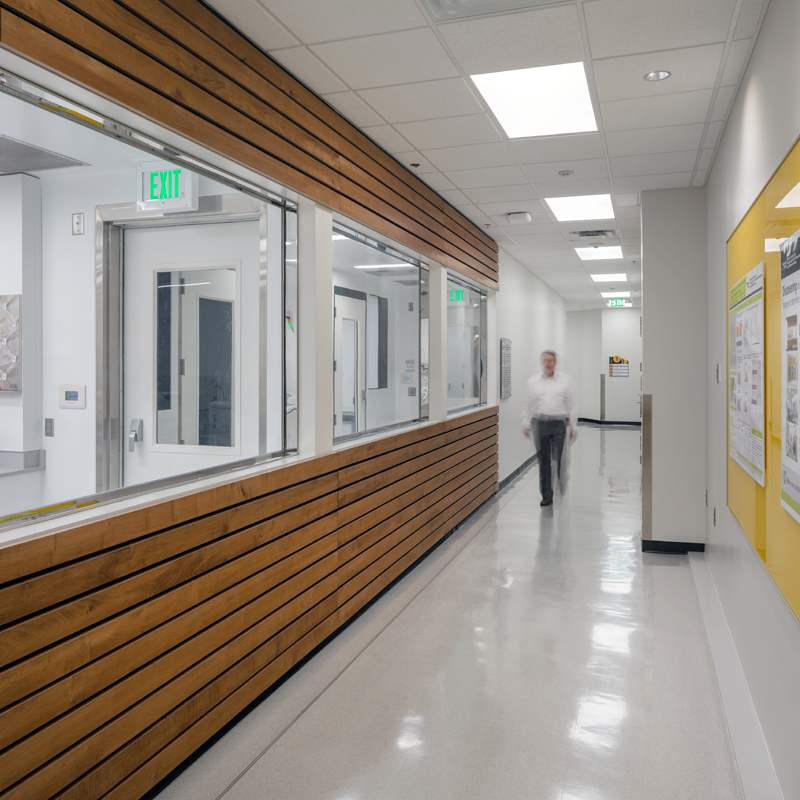
The Marcus Center of Excellence for Cell Biomanufacturing, housed at Georgia Tech, is comprised of a team of researchers that provide end-to-end R&D solutions for the whole spectrum of cell manufacturing needs.
This Center brings together stakeholders from across disciplines to:
- Address complex demands of therapeutic cell manufacturing
- Ensure processes and products are highly controlled, well-characterized, efficient, reproducible, and consistently high-quality
- Focus on cell therapy collaborations across the United States
The Georgia Research Alliance and Georgia Tech lead the nationwide consortium (NIST/AmTech Cell Manufacturing Consortium) on cell characterization and manufacturing while developing the national roadmap for the United States to become a world leader in this space. This roadmap forms the basis of research and development activities for the Marcus Center of Excellence for Cell Biomanufacturing.
Vision
We bring clinicians, industry researchers, and product developers together with scientists and engineers of multiple disciplines to tackle the challenge of highly controlled, well-characterized, efficient, reproducible, and high-quality therapeutic cell manufacturing.
Who should work with us?
Anyone looking to:
- Characterize their cell product and understand the attributes that contribute to efficacy and safety
- Improve their cell culture efficiency
- Develop or incorporate new sensors for quality assessment Increase automation of manufacturing and analytical processes
- Optimize their supply chain or refine their distribution strategy
Examples of potential collaborators:
- Clinical Researchers
- Pharmaceutical and Cell Therapy Companies
- Biotechnology and Equipment Development Companies
- Specialty Chemical and Biologics Supply Companies
Making Cell Therapies More Accessible

COLLABORATE
with clinical partners
INNOVATE
rapid validation of cells
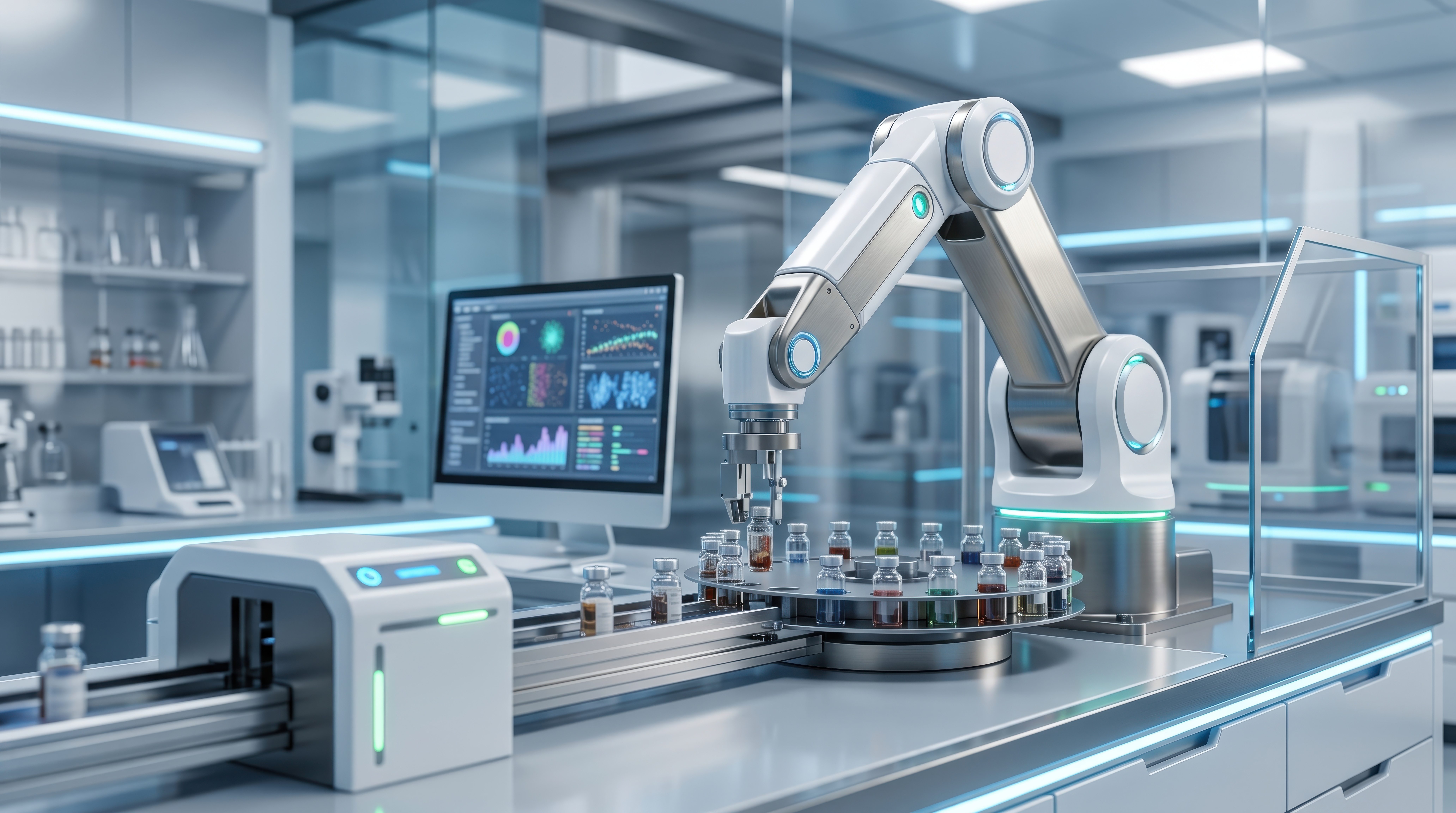
INVENT
new tools and technologies
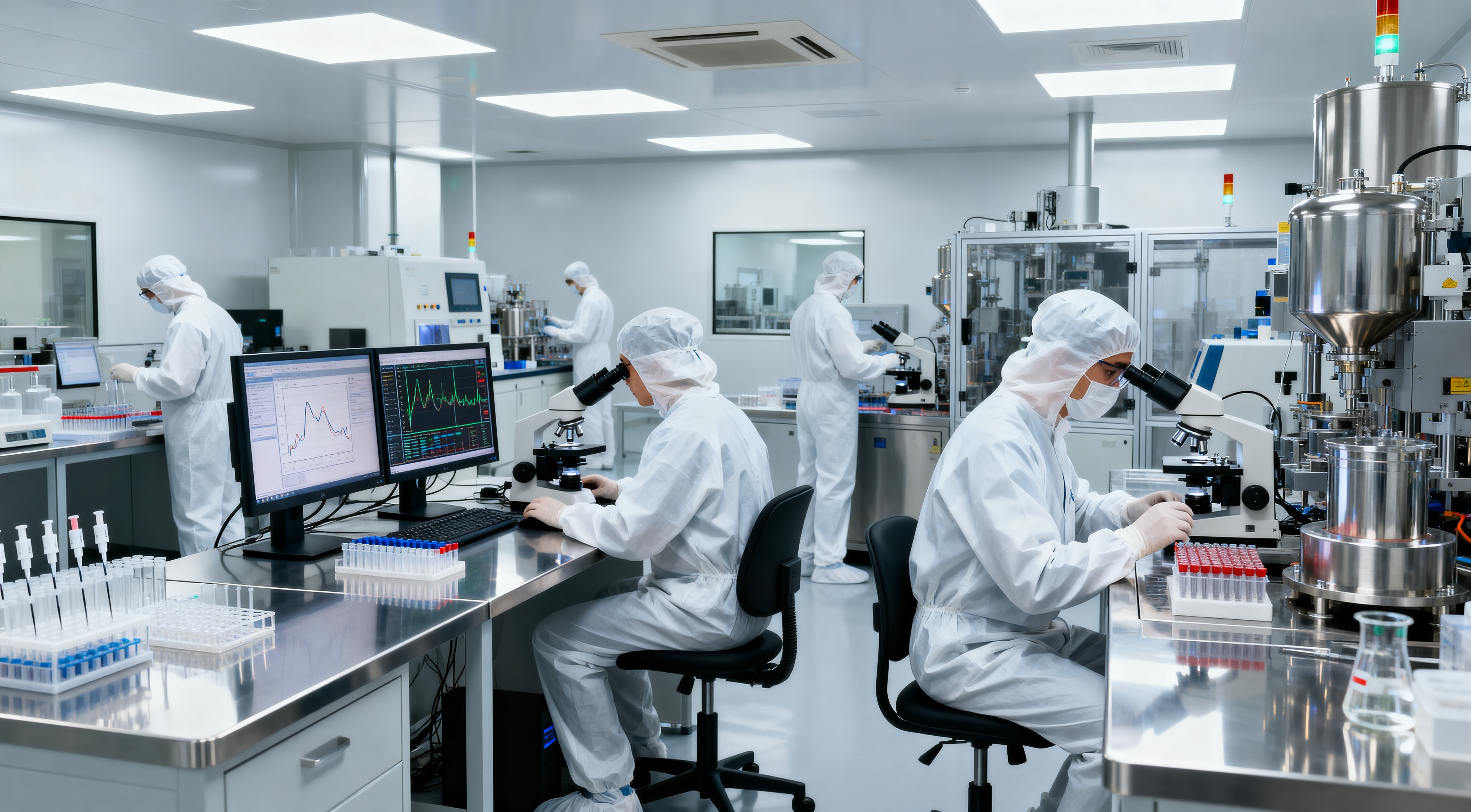
ENABLE
low-cost production
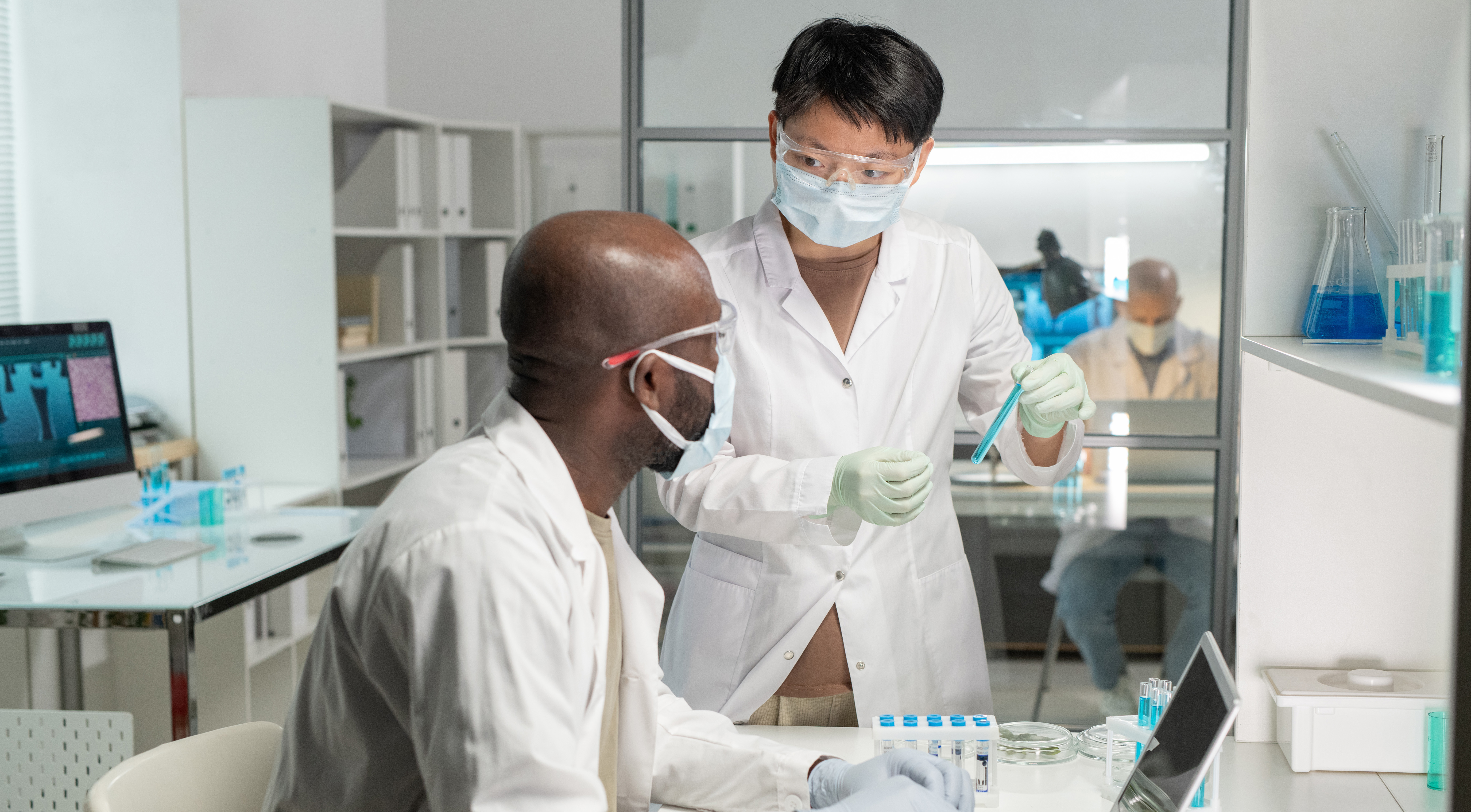
TRANSLATE
clinical applications

TRAIN
a strong, talented workforce
Who Are We?
The Marcus Center of Excellence for Cell Biomanufacturing (The Marcus Center) provides end-to-end R&D solutions for the whole spectrum of cell manufacturing needs. From Critical Quality Attributes (CQAs) identification to new Process Analytical Technologies (PATs) and process development, let The Marcus Center be your partner.
Facilities
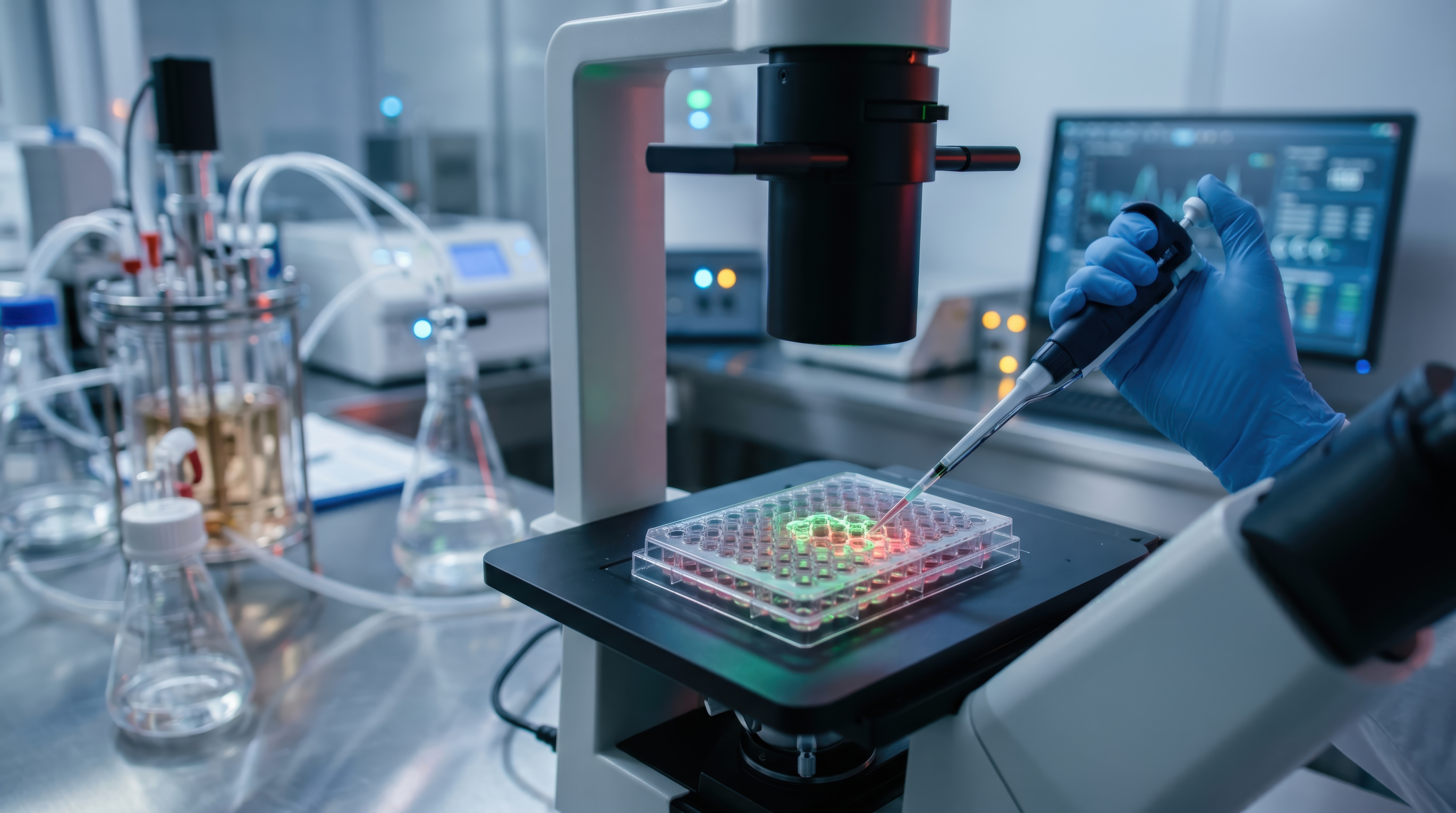
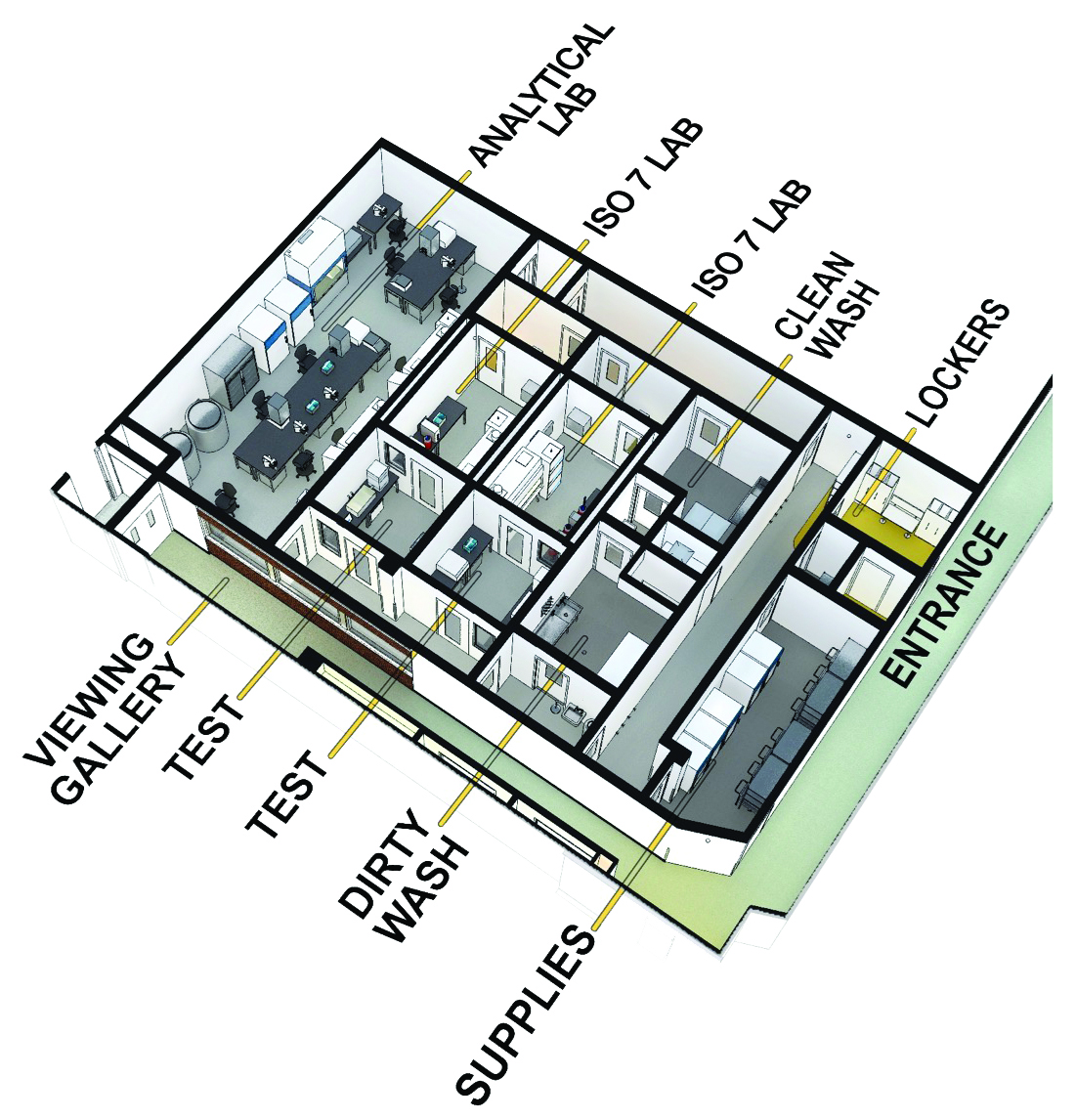
- 4,000 sq.ft. of BSL 2 Laboratory space
- ISO 8 Analytics Laboratory
- Isolated ISO 7 suites
- In-line analytical testing capability
- Workforce training
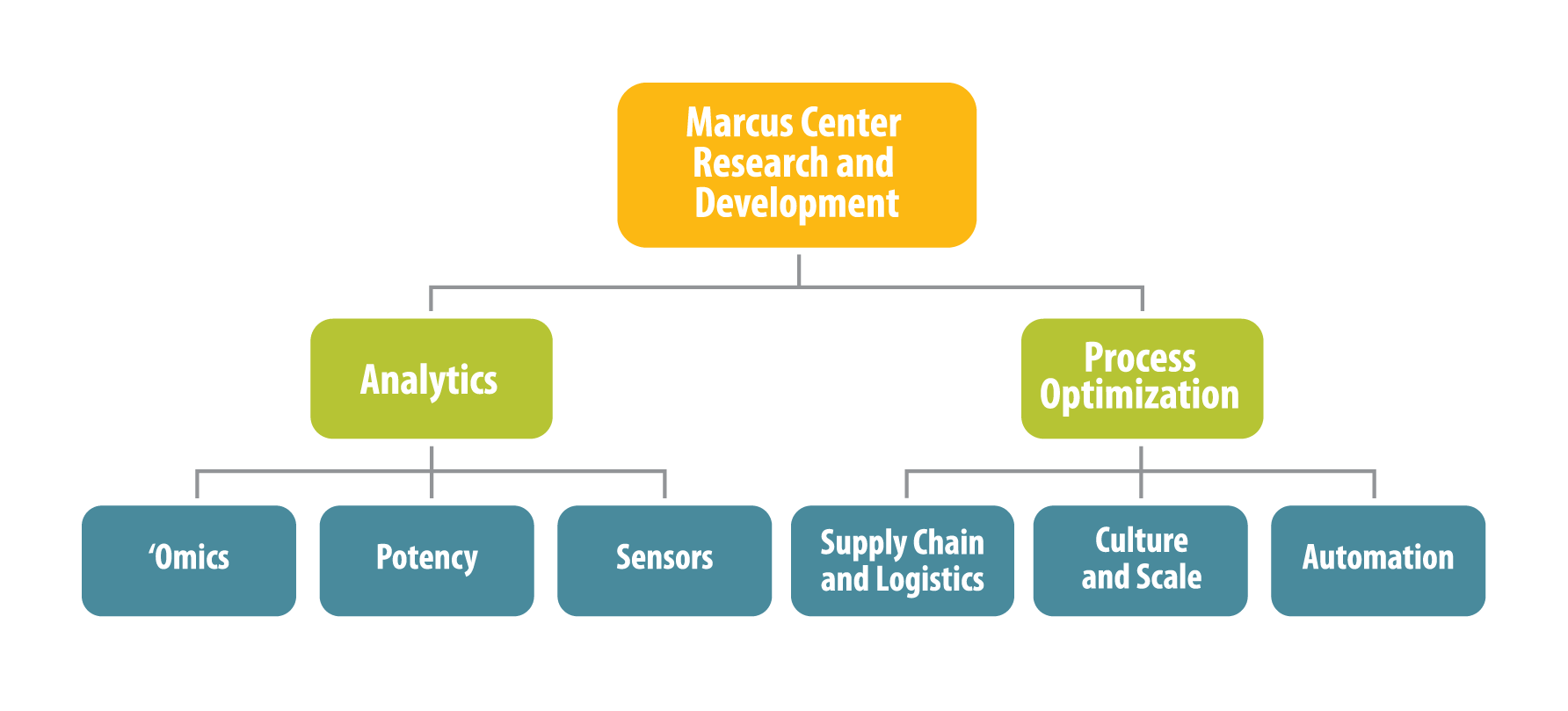
Research Expertise
- Analytics and Characterization
- Monitoring and Sensing
- Process Development and Validation
- Supply Chain and Logistics
- Culture Optimization
- Transduction and Transfection Technologies
Accelerate Application and Predictability
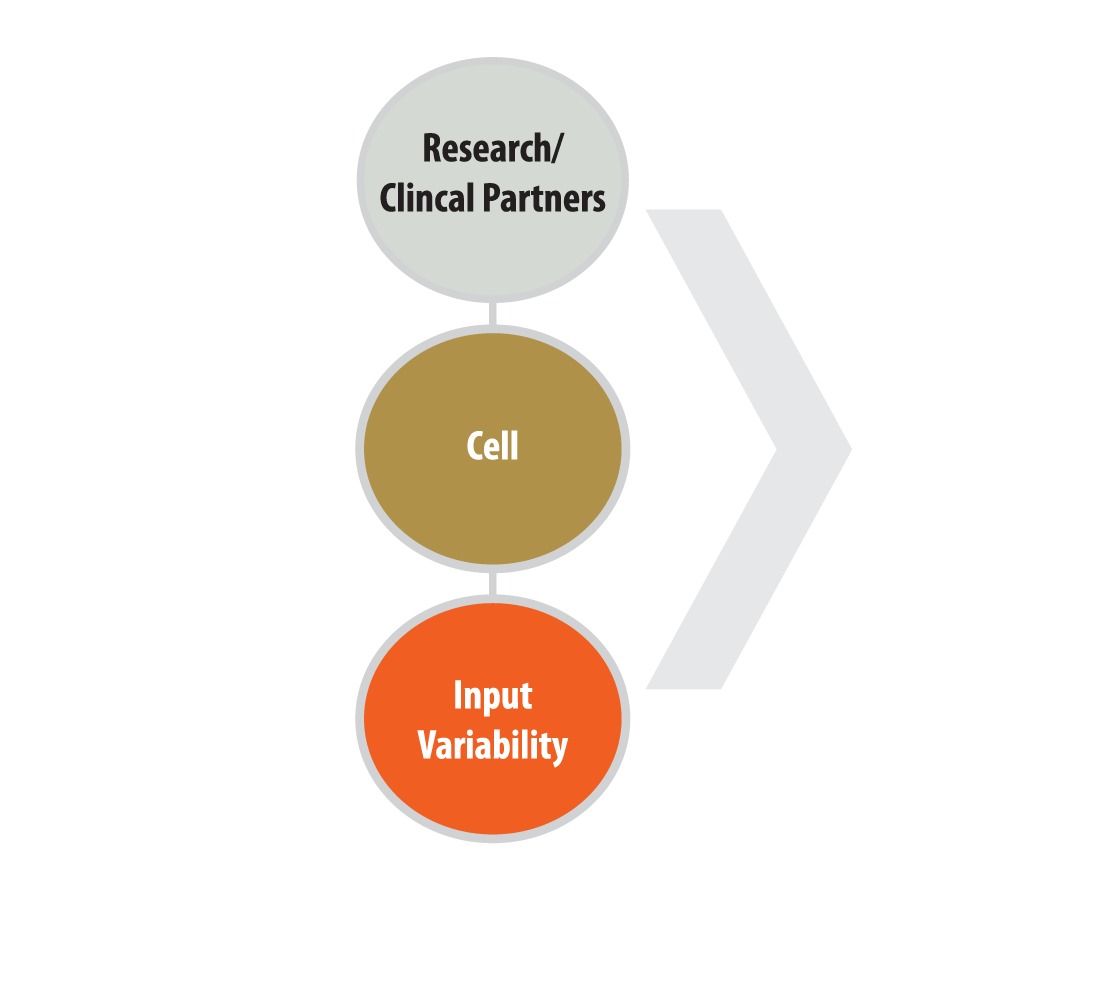
Characterize
Comprehensive assessment of clinical cells can provide insight to unique multivariate CQAs.
- Single-Cell Sequencing
- High Throughput Analyses
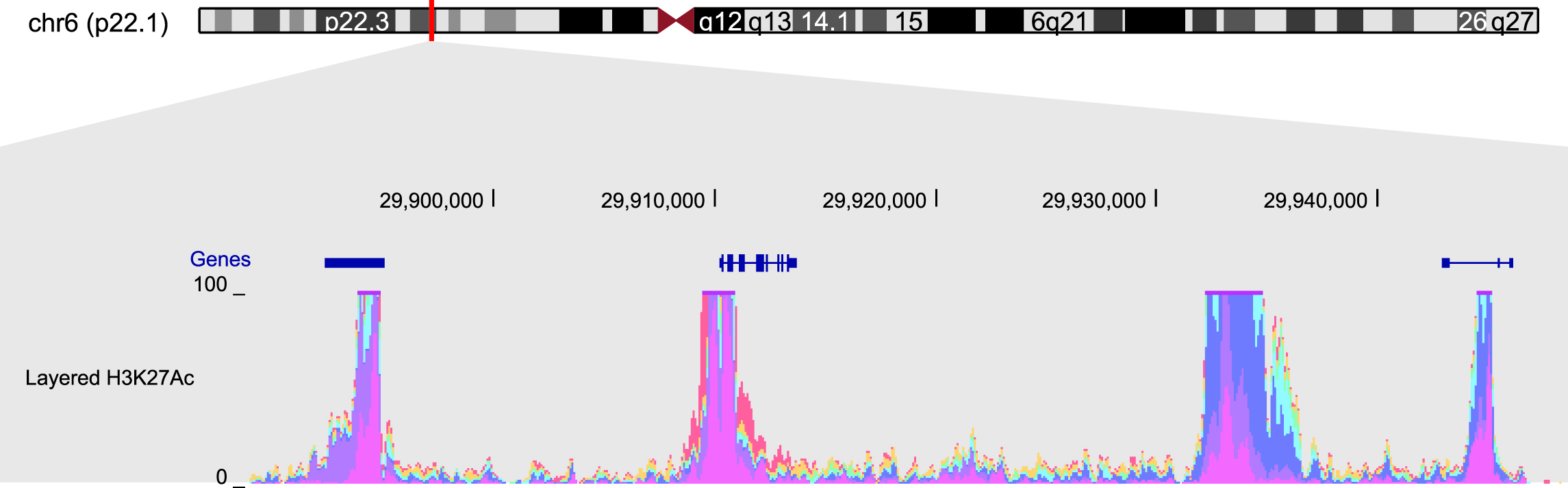
- Epigenetics
- Bioanalytical Mass Spectometry
- Flow Cytometry
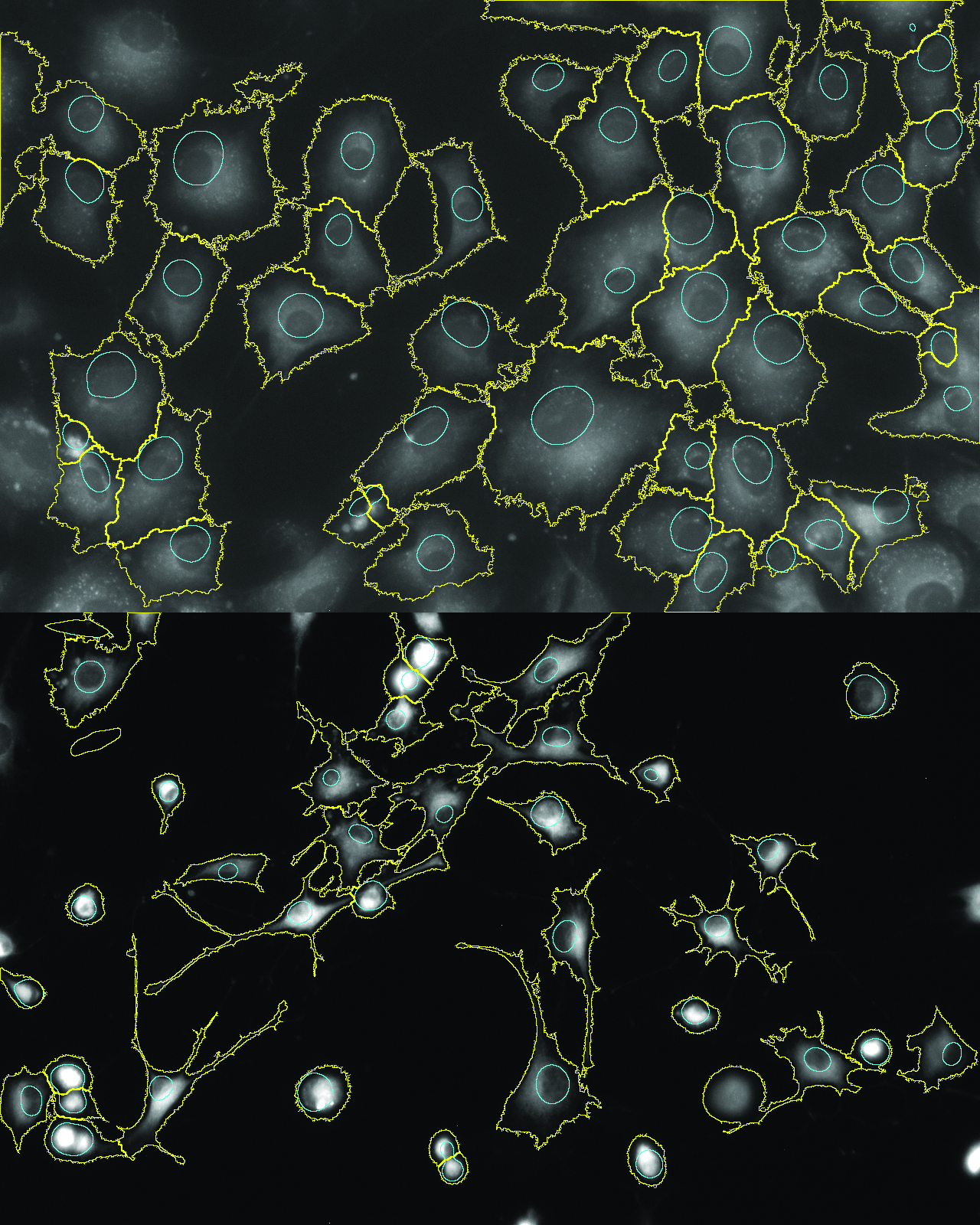
- High Content Imaging
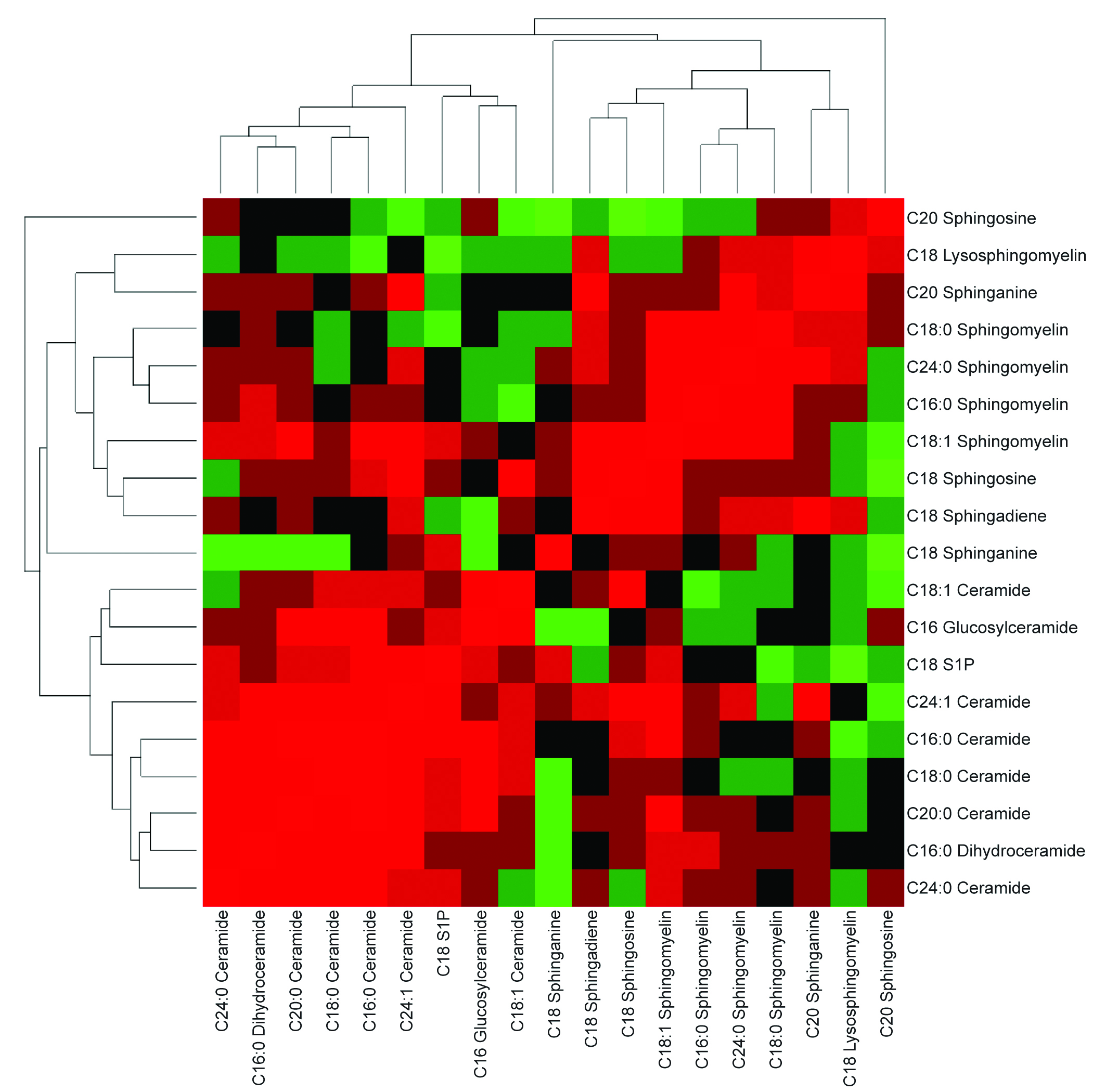
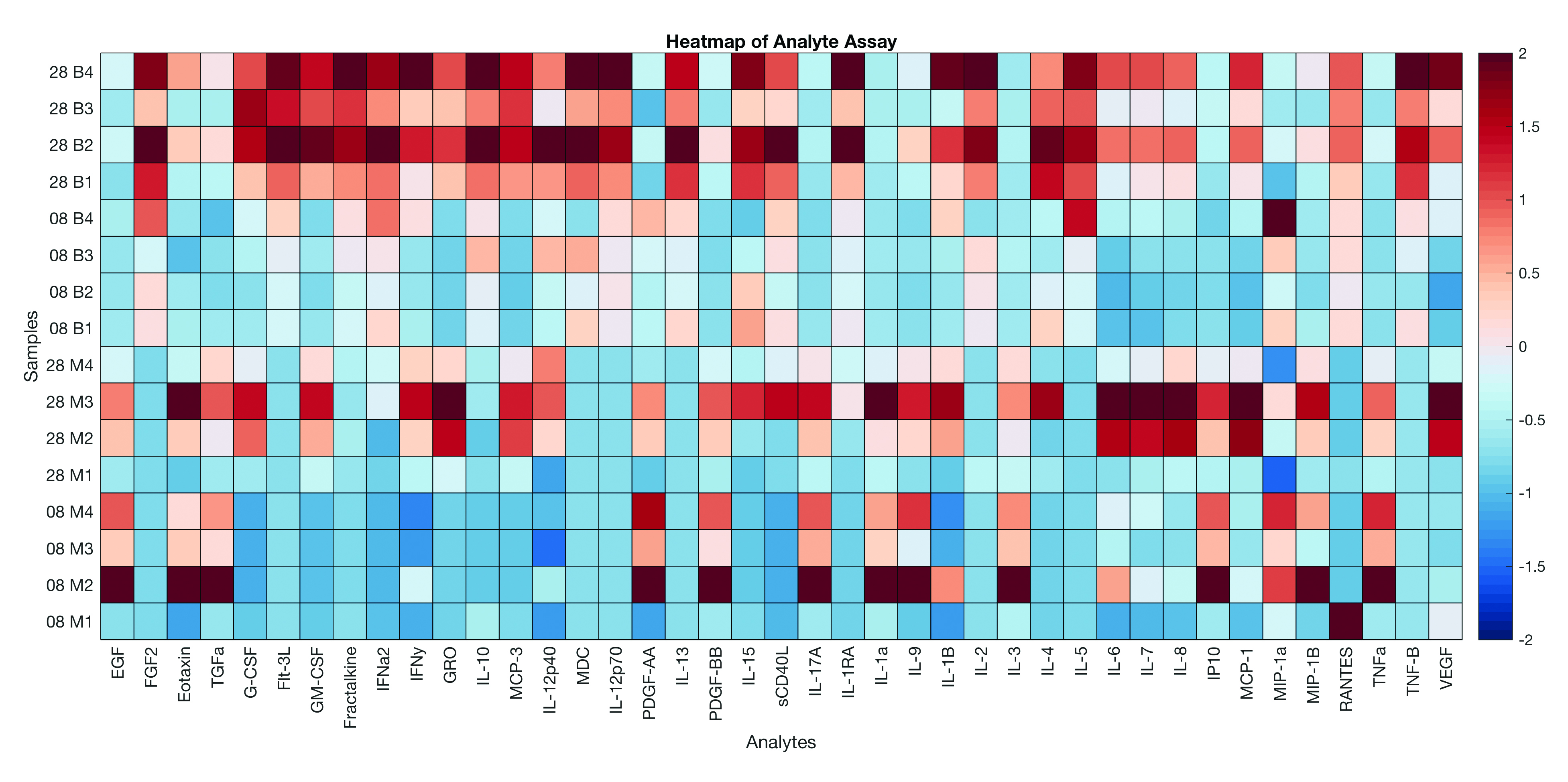
- Lipidomics and Secretomics
- Biophysical Assessment
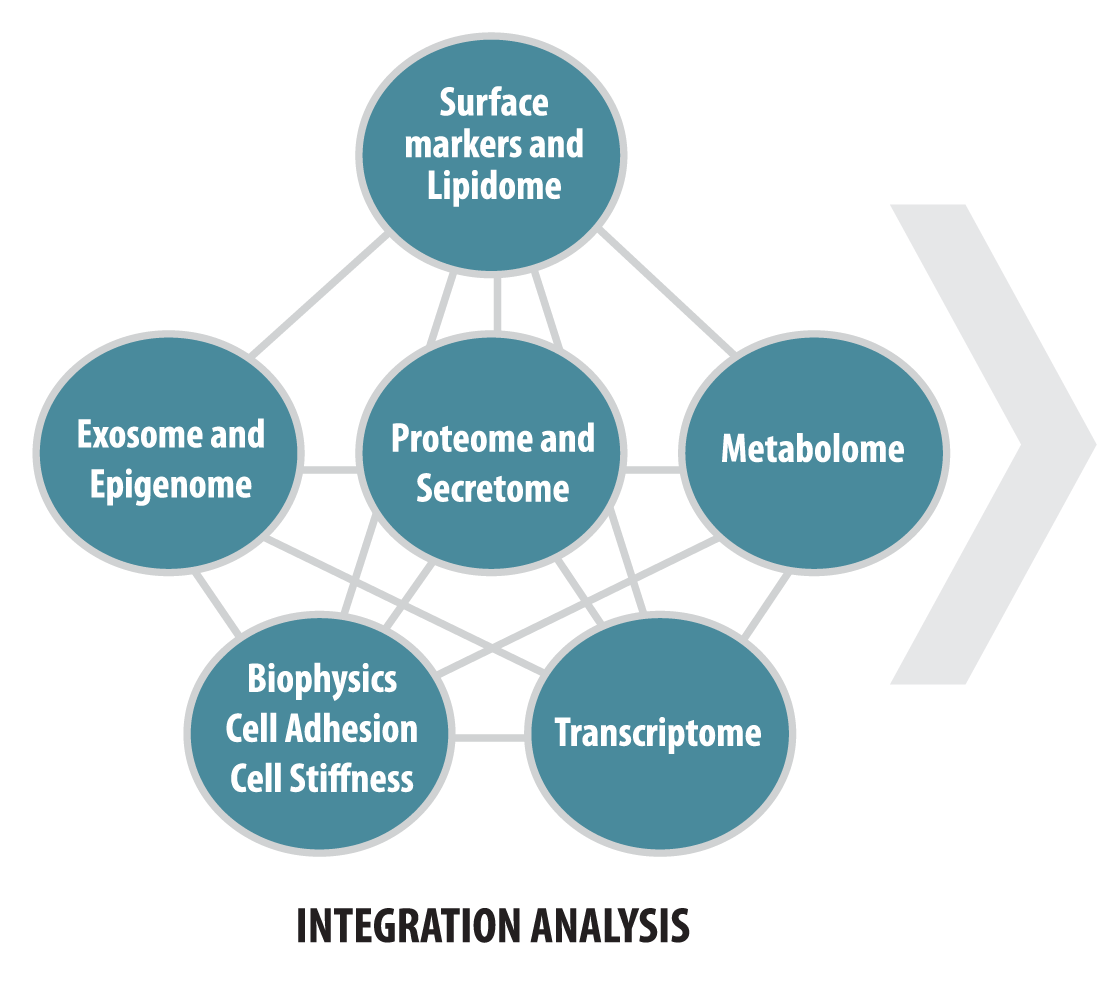
Correlate and Confirm
Advanced analytical models identify relationships between characterization data and clinical or surrogate performance outcomes to identify CQAs to monitor during production.
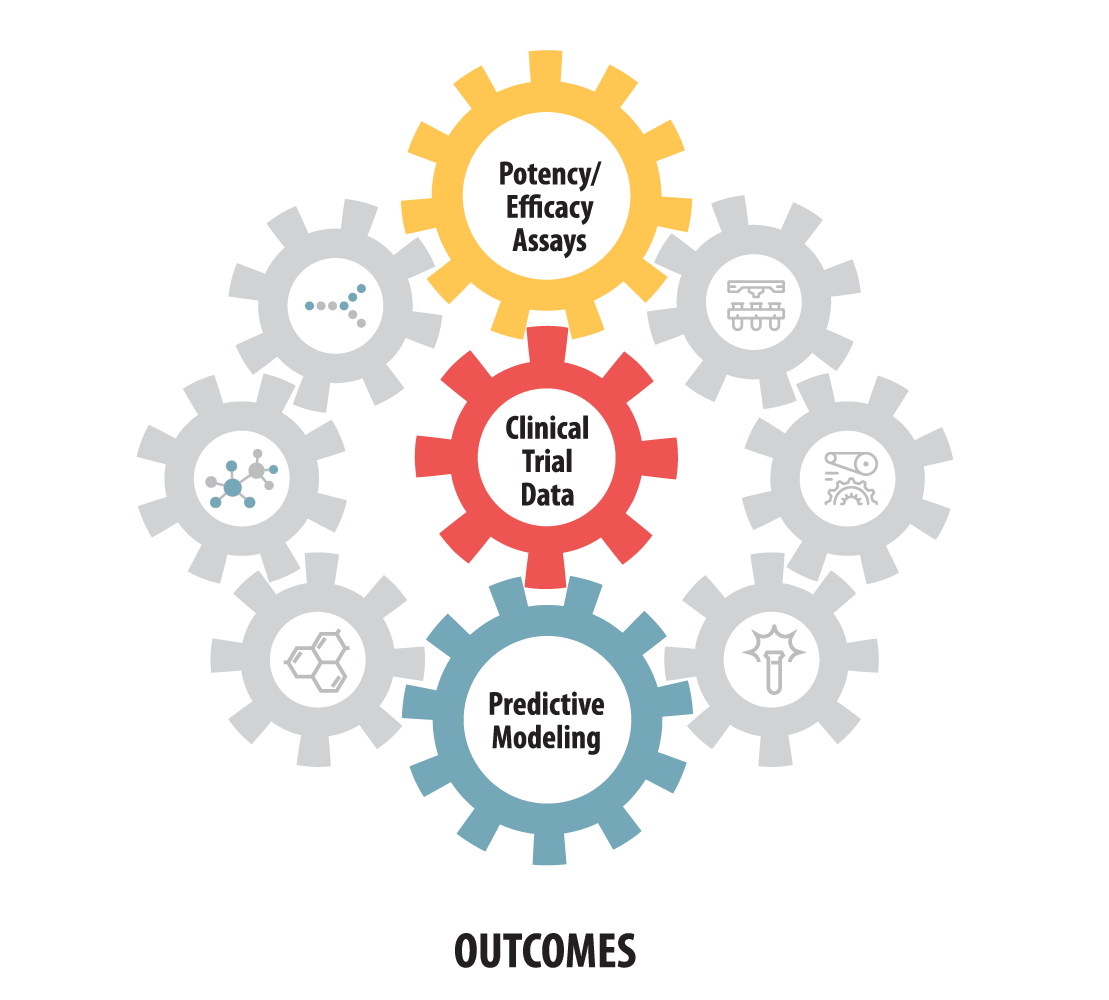
Predict
Big data analysis of comprehensive characterization and performance outcomes build predictive models of efficacy and safety.
Advancing Quality and Reliability
- Validate potency and safety of manufactured cells
- Monitor quality throughout manufacture
- Enable closed-loop automation
Projects are initiated with input from characterization outcomes to develop new analytical methods and process optimization approaches. As projects move from proof of principle to proof of concept, they are integrated into GMP-like processes in the controlled Marcus Center facility.
Predictive Modeling
Lipidome
High Content Imaging
Secretome
Epigenome
Engage with the Marcus Center
Move Into Next-Generation Cell Manufacturing
Understand your cells
Develop your analytics
Enable process intensification
Access the broader ecosystem

Leverage the Vast Resources Available at Georgia Tech and Partner Institutes
- NSF ERC for Cell Manufacturing Technologies (CMaT)
- National Cell Manufacturing Consortium (NCMC)
- Georgia Tech Petit Institute for Bioengineering and Bioscience (IBB)
- Georgia Tech Manufacturing Institute (GTMI)
- Georgia Tech Research Institute (GTRI)
- Georgia Tech Institute for Robotics and Intelligent Machines (IRIM)
- National Institute for Innovation in Manufacturing Biopharmaceuticals (NIIMBL)
- Advanced Regenerative Manufacturing Institute (ARMI)
- Global Center for Medical Innovation (GCMI)